
The Exercise That Forced Me to Confront the Life I Was Avoiding
By John Bielinski
Emergency Medicine Educator | Marine Veteran | Founder of CME4Life
Helping People Build a Life of Meaning, Joy, Love, and Legacy.
In 1991, during the Gulf War, I crossed into Kuwait with a Marine infantry unit fully believing I might not make it home alive.
Explosions shook our armored vehicle as landmines detonated nearby and combat erupted ahead of us.
And somewhere in those quiet moments before battle, I found myself thinking about regret.
Not career accomplishments.
Not money.
Not status.
I thought about the life I wished I had fully lived.
I remember thinking:
- I wish I would’ve had children
- I wish I would’ve spent more time fishing
- I wish I would’ve embraced what mattered most
That experience planted a question in me that would later become one of the most transformative exercises I’ve ever taught:
If you died today, what would you regret most?
The Exercise That Changes People
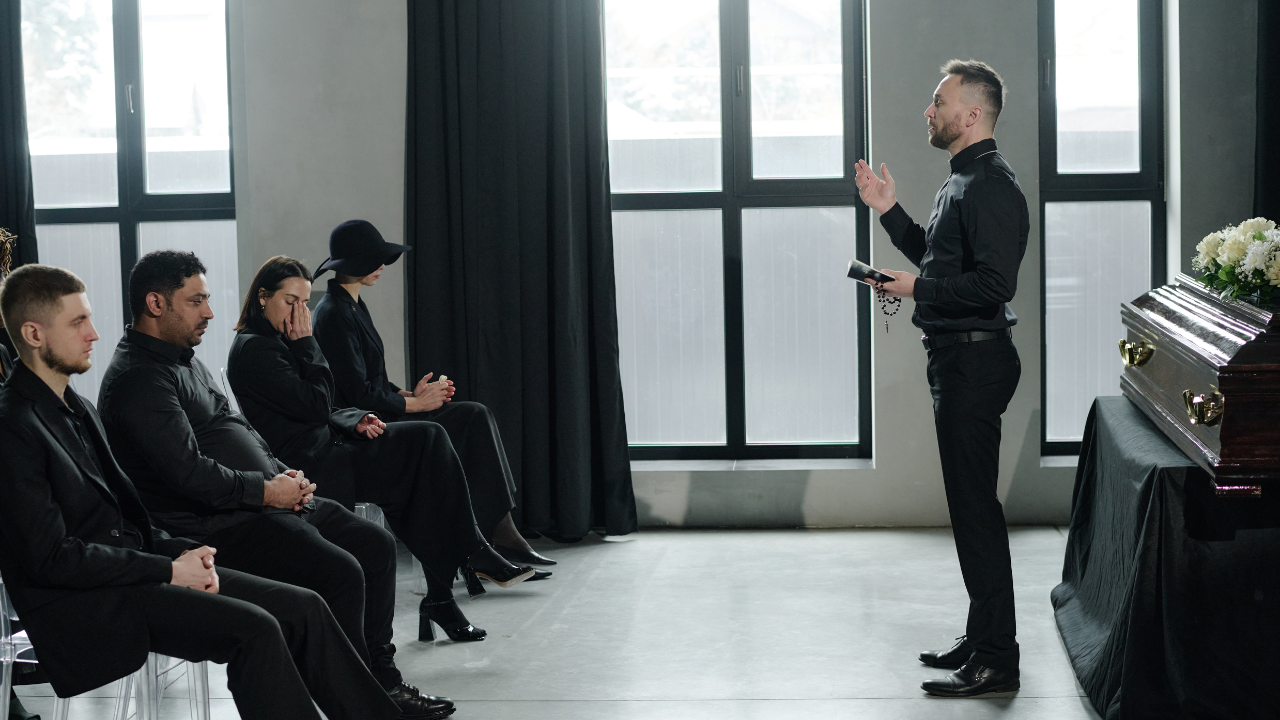
I call the exercise the Regret Eulogy.
The process is simple — but emotionally powerful.
First, I write down the top regrets I would carry if my life ended today.
Not surface-level regrets.
Real ones.
The dreams left unfinished.
The relationships neglected.
The habits destroying my potential.
The areas where I know I’m capable of more but keep settling anyway.
Then I take those bullet points and turn them into a first-person eulogy.
Not what other people would say about me.
What I would say about myself.
And when I completed the exercise honestly for the first time, it shook me deeply.
Because for the first time, I confronted the gap between the person I was becoming and the person I knew I was capable of becoming.
The Danger of Normalizing a “4”
One thing I often ask people is this:
“On a scale from 1–10, how good is your life really?”
Not publicly.
Privately.
Truthfully.
And what I’ve found is that many people quietly realize something uncomfortable:
Their life feels like a 4.
Not terrible.
Not catastrophic.
Just disconnected. Unfulfilled. Stagnant.
And honestly, I’ve been there myself.
But the real danger isn’t being at a 4.
The real danger is normalizing it.
We settle.
We numb ourselves.
We convince ourselves:
“It’s not that bad.”
We stay comfortable while quietly drifting further away from the life we truly want.
Pain Can Become Fuel
I believe human beings are often driven by two forces:
- Pleasure
- Pain
And sometimes the fear of regret becomes stronger than the comfort of staying the same.
That’s exactly what happened to me.
The Regret Eulogy became leverage.
It forced me to confront painful truths:
- I wasn’t fully disciplined
- I wasn’t taking care of my health
- I was procrastinating
- I wasn’t loving deeply enough
- I wasn’t fully living with purpose
And instead of avoiding those truths, I used them as motivation to change.
Why This Exercise Works
Most people avoid thinking about death.
But I’ve found that reflecting on mortality has a strange effect:
It clarifies priorities.
Suddenly:
- Petty distractions lose power
- Excuses feel weaker
- Time feels more valuable
- Meaning becomes more urgent
The Regret Eulogy forces me to stop sleepwalking through life and ask myself:
“If nothing changes… where does this path lead?”
That question alone can become transformational.
Your Story Isn’t Finished Yet
One of the most important parts of this exercise is this:
You’re reading the eulogy before it’s too late.
That means there’s still time to rewrite it.
Still time to:
- Repair relationships
- Build discipline
- Pursue purpose
- Chase meaningful goals
- Love people more deeply
- Become the person you know you’re capable of becoming
Because regret becomes dangerous when ignored.
But when it’s faced honestly, it can become one of the most powerful catalysts for growth a person will ever experience.